Journeys
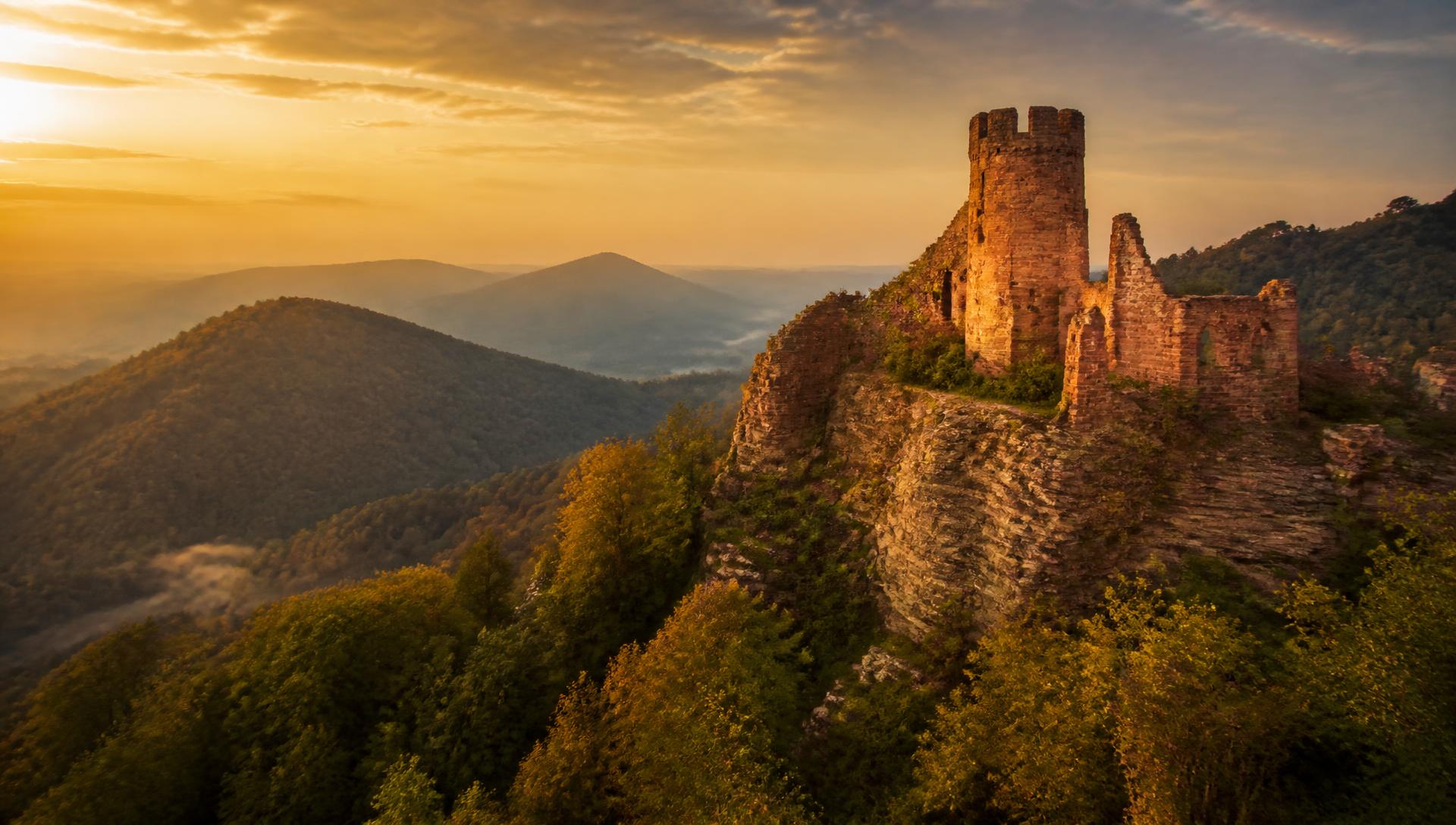
A ruined red sandstone castle on a forested ridge at golden hour

Trip planner · Travel report · Narrated deck

Plan the trip. Then let it tell its own story.

One continuous artifact. The plan becomes the report; the report becomes a narrated, self-playing deck — with the history, the legends and the science of every place you stood in front of. And of the one you didn't quite reach.

Four movements

I

Plan it in conversation

Say who is coming, where you start and what you can walk. The planner asks only the questions that change the answer — then proposes places with a reason, a drive time and a fact hook. Castles from the outside only, if that is your rule.

II

Travel and capture

Mark what you reached and what you let go. Drop notes on the road. Import your Google My Maps list, export the day guide, keep the decision checkpoints in your pocket.

III

Let it become a story

Every place gets a chapter woven from your notes and researched history, legend and science. The places you never reached get a chapter too — the road not taken, told honestly.

IV

Watch it present itself

The report turns into a self-playing narrated deck, scene by scene, that runs without a hand on the keyboard.
What makes it different

The road not taken

Planned four towns, reached three? The fourth still gets its chapter — clearly marked, beautifully told, and saved for next time.

Research, not filler

Dated history, named legends and the geology under your boots — labelled so you always know which is which.

It narrates itself

A voice reads the chapters while the deck advances on its own. Your own recorded voice is the next step.